December
13, 14 and 15
Liszt Academy, Grand Hall
Friday 13th
Saturday 14th
Sunday 15th
Joseph Haydn: Symphony No. 93 in G major, Hob. I:93
Wolfgang Amadeus Mozart: Clarinet Concerto in A major, K. 622;
Symphony No. 39 in E-flat major, K. 543
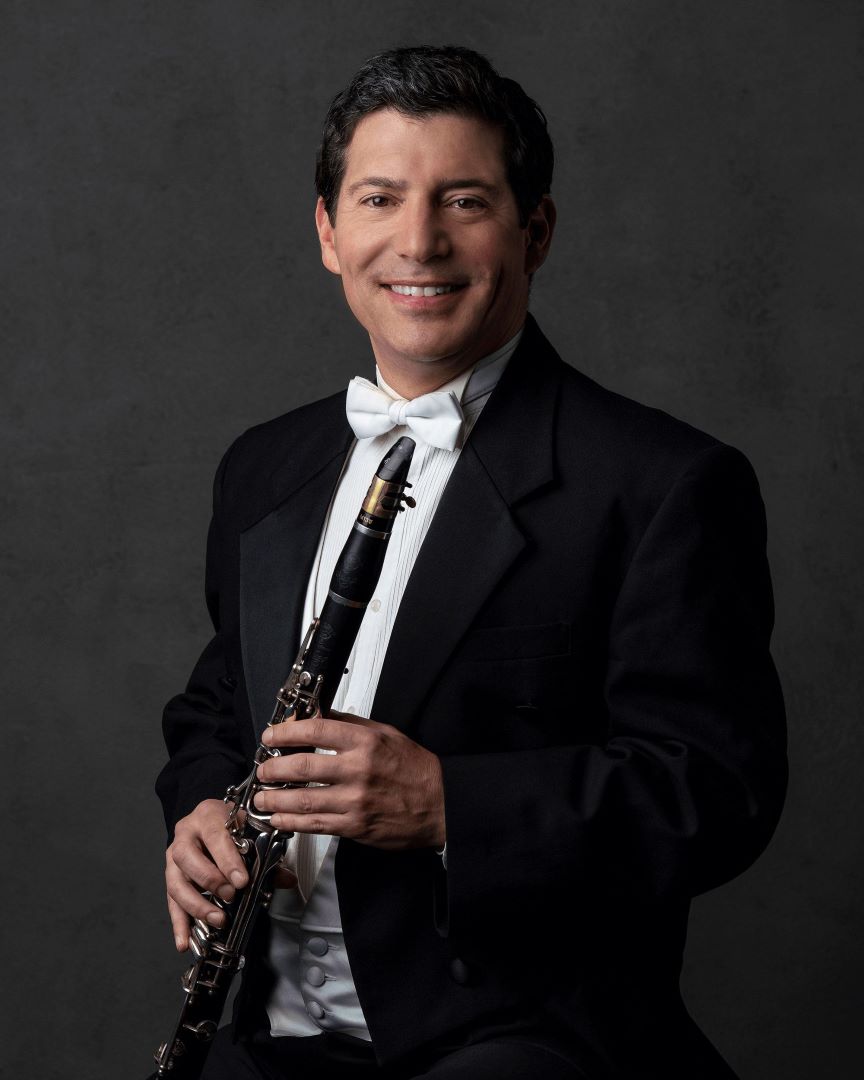
Michael Rusinek (clarinet)
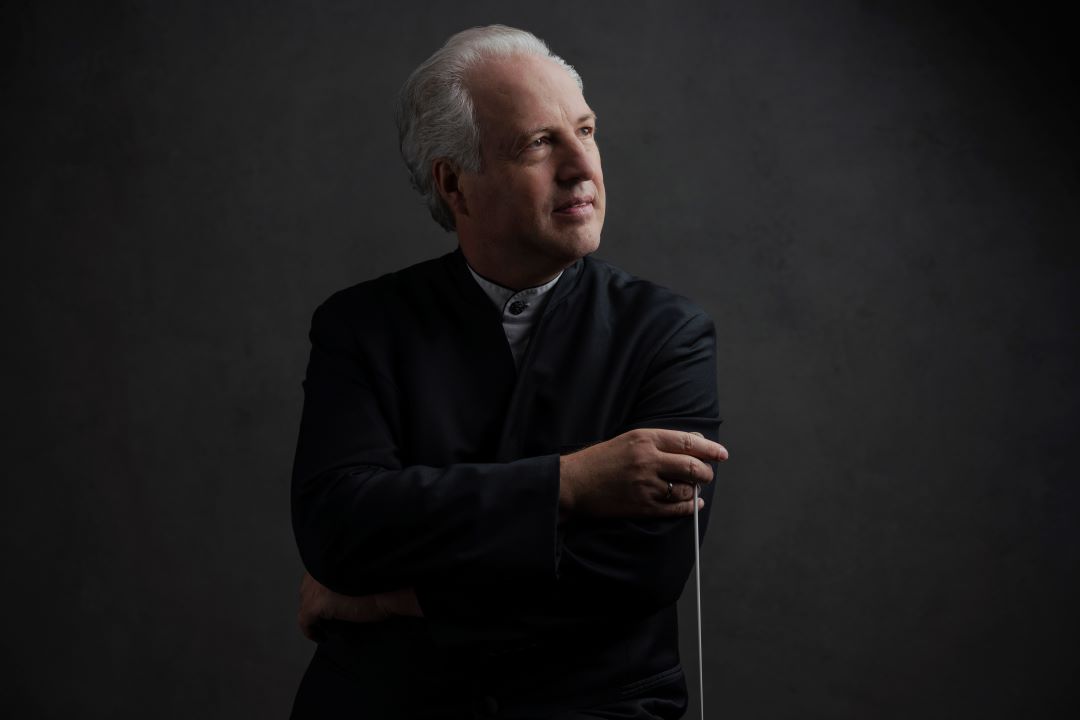
conductor: Manfred Honeck
Like the October concert in the series presenting Haydn’s and Mozart’s works, this performance will feature one of Haydn’s symphonies and a wind concerto by Mozart along with one of his final three symphonies. Leading the Budapest Festival Orchestra will be Manfred Honeck, an Austrian compatriot of the Viennese masters, who is not only an honorary conductor of the Bamberg Symphony Orchestra, but, for the past more than one and a half decades, has also served as the music director of the Pittsburgh Symphony Orchestra. Michael Rusinek, first clarinetist of the American ensemble, will join the BFO to perform the solo of the clarinet concerto, Mozart’s last finished piece. Before it, Haydn’s voice as he broke free from the bonds of the Esterházy Court will be presented in one of the London Symphonies. The concert will wrap up with Mozart’s Symphony No. 39, the companion piece to the “Jupiter” and the “Great” G minor symphony, the latter also on the BFO’s program this season.
As hard as Johann Peter Salomon may have tried to entice Haydn to join him in England, the world-famous composer was only able to accept the London-based concert organizer’s invitation following the death of pomp-loving Nikolaus Esterházy in 1790. The invitation resulted in a number of acclaimed concerts and twelve symphonies, which were not intended to amaze an audience of trained aristocrats, but the general public instead. It was at the concert opening his first trip to England that Haydn’s Symphony No. 93 was first performed. The first movement, comprising a fierce, slow introduction and a waltz-like main part, emphasizes the role of the bassoon; the instrument is also spotlighted in the pastoral slow movement and the almost violent minuet, which may be considered an antecedent of Beethoven’s music. In the finale, featuring the trumpet and timpani, the solo cello is assigned an unexpected and humorous task.
One cannot be grateful enough to Anton Stadler for providing the inspiration for Mozart, who composed his “Kegelstatt” trio for him, along with his clarinet quintet and clarinet concerto. The composer originally conceived the latter as a piece for the basset horn, but changed his mind and wrote it instead for the clarinet, an instrument with a special deep register, of which Stadler was a virtuoso. Completing the piece barely two months before his death, Mozart never heard it performed. The piece, characterized by calm and reserved virtuosity, includes no oboes, and even the double bass is used sparingly in support of the bass. The soft tone is further refined due to the three-movement piece having no typical fast movement. It does, however, have rich colors, a peaceful song and a gentle, lush finale.
The oboes don’t have to come back after the intermission: his Symphony No. 39 is Mozart’s only one not to use them. Composed in just two months in 1788, the opening work among his three major symphonies stars the clarinet instead. Did he perhaps have Stadler in mind for this piece, too? And did they perform it together? There are many questions and few answers; though it is certain is that the piece in E-flat major marked the beginning of a new era for Mozart. Combining Baroque studies with his own playfulness, the composer launched the opening movement with an elaborate dramatic slow introduction that was unexpected of him; later, the movement adds additional contrasts. It is followed by a lyrical, almost hymn-like slow movement; next up is a light, airy minuet with a rustic middle part, where the spotlight is on the clarinet. Mozart, who wasn’t otherwise shy in his use of melodies, constructed the finale around a single musical theme.